
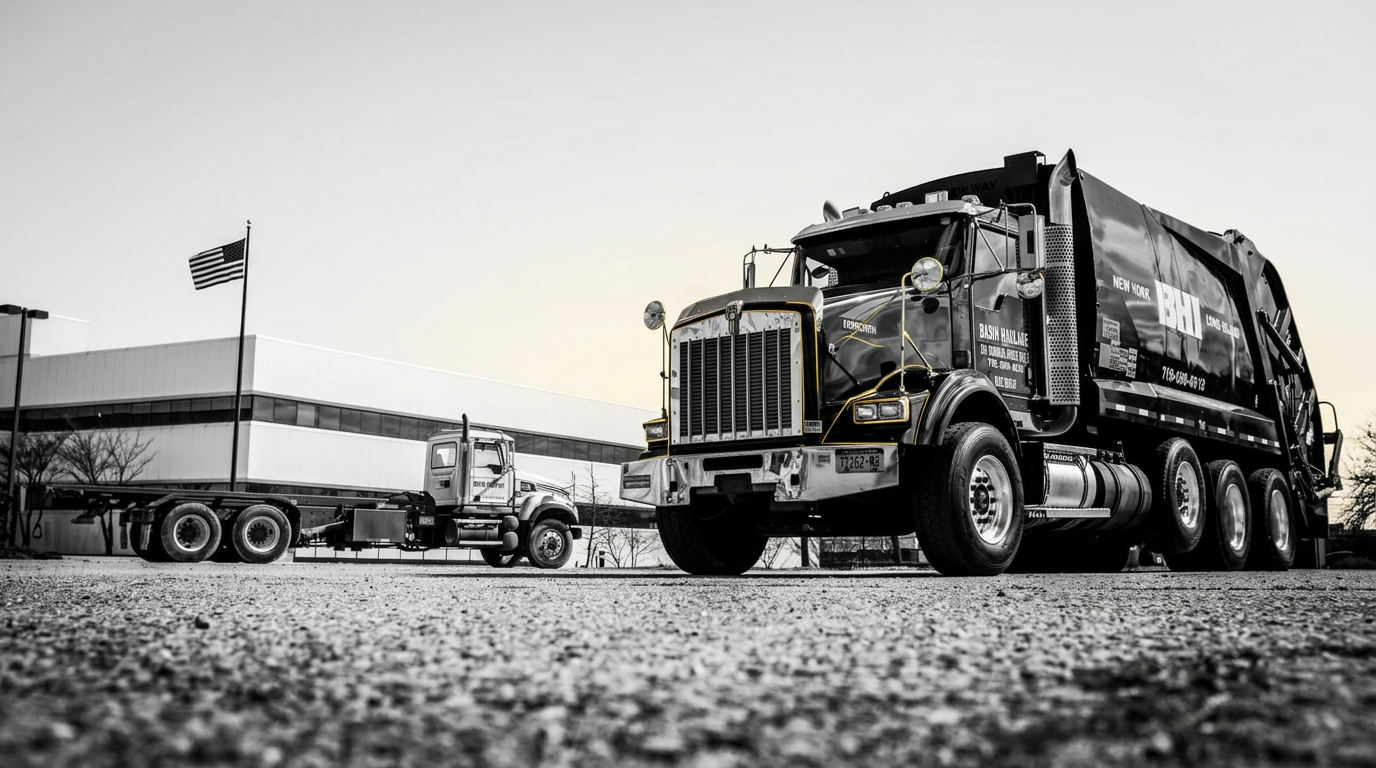
Waste & Logistics.
Commercial waste collection is changing on both sides of the Atlantic. We have lived this. We are still living this. We help others get through it faster — with more upside intact.
Owners are being asked to bid for the right to keep doing the work.
Cities are redrawing the rules. New York has restructured commercial waste collection into geographic zones. Regulators are tightening reporting. Customers are asking for waste-stream data nobody used to capture.
And operators are being asked to do all of it under new commercial terms, with new technology, and with new reporting overhead. The window between the rules changing and the routes running is small.
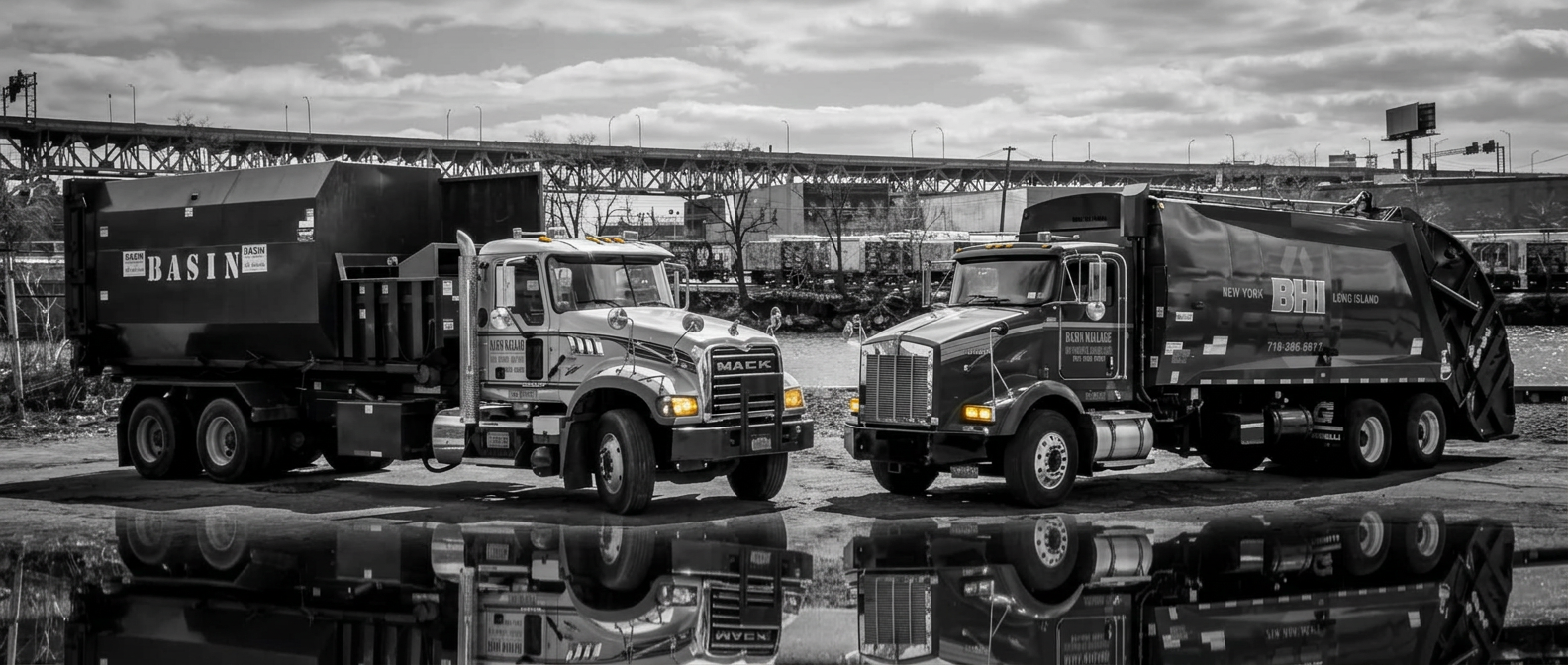
Bid formation
Commercial Waste Zone awards and equivalent regulated tenders — written from operator experience, not template.
Revenue maximization
Pricing, surcharges, and customer mix on existing routes. Find the margin already in the book.
Waste stream surveys
Designed to meet regulator and customer reporting demands without adding manual overhead.
Digital transformation
Routing, billing, AR/AP, classification — without ripping out what still works.
Workforce planning
Scale-up and scale-down — with training and the software to support it.
DSNY reporting
Operational reporting flows the regulator and the auditor can both follow.

“Won a DSNY Commercial Waste Zone award. Then had to operate it.”
When New York City restructured its commercial waste market into geographic zones, our principals were inside one of the operators bidding for the work. We built the bid, won Queens Central, and have spent the time since standing up the operating model behind it — DSNY reporting, customer cutover, route economics, and the technology stack that keeps it all auditable. Few consultants have done this. Almost none have done it from the operator's chair.
Read the case study →